Those Persistent Camera Myths
Experience is a beautiful thing, but it can blind us to change.

When you've been doing something for a long time, it's reasonable to have confidence in your opinions. You know how things work.
For example, a seasoned handyman has a stash of tricks that you would never dream of. Let's say that you're trying to figure out how to remove a stuck screw with a stripped head. You just can't get any torque with your screwdriver. The darn thing won't budge.
The handyman digs around in his toolbox, pulls out a chunk of duct tape, puts it over the stripped head for a bit of traction, and gently removes the stubborn problem with his screwdriver.
Experience is a beautiful thing.
But it can also blind us to change.
Screws haven't evolved much in the past 20 years, but cameras have. And those of us who have been taking pictures for a couple of decades have to constantly update our knowledge base. If we don't, we're vulnerable to missed opportunities and passing along outdated information.
Here are three myths that I encounter regularly as a photography educator.
1) You have to keep your ISO setting low for good image quality. True in 1999, but not so today.
Modern digital cameras capture fantastic images with ISO settings of 1600, 3200, and yes, even 6400. I've embraced auto-ISO where I let the camera choose the setting in a range between 200 and 3200. And if I need more speed, I will override it. The pictures look great.
2) Serious outdoor and adventure photography requires a full-frame sensor camera. Definitely not true.
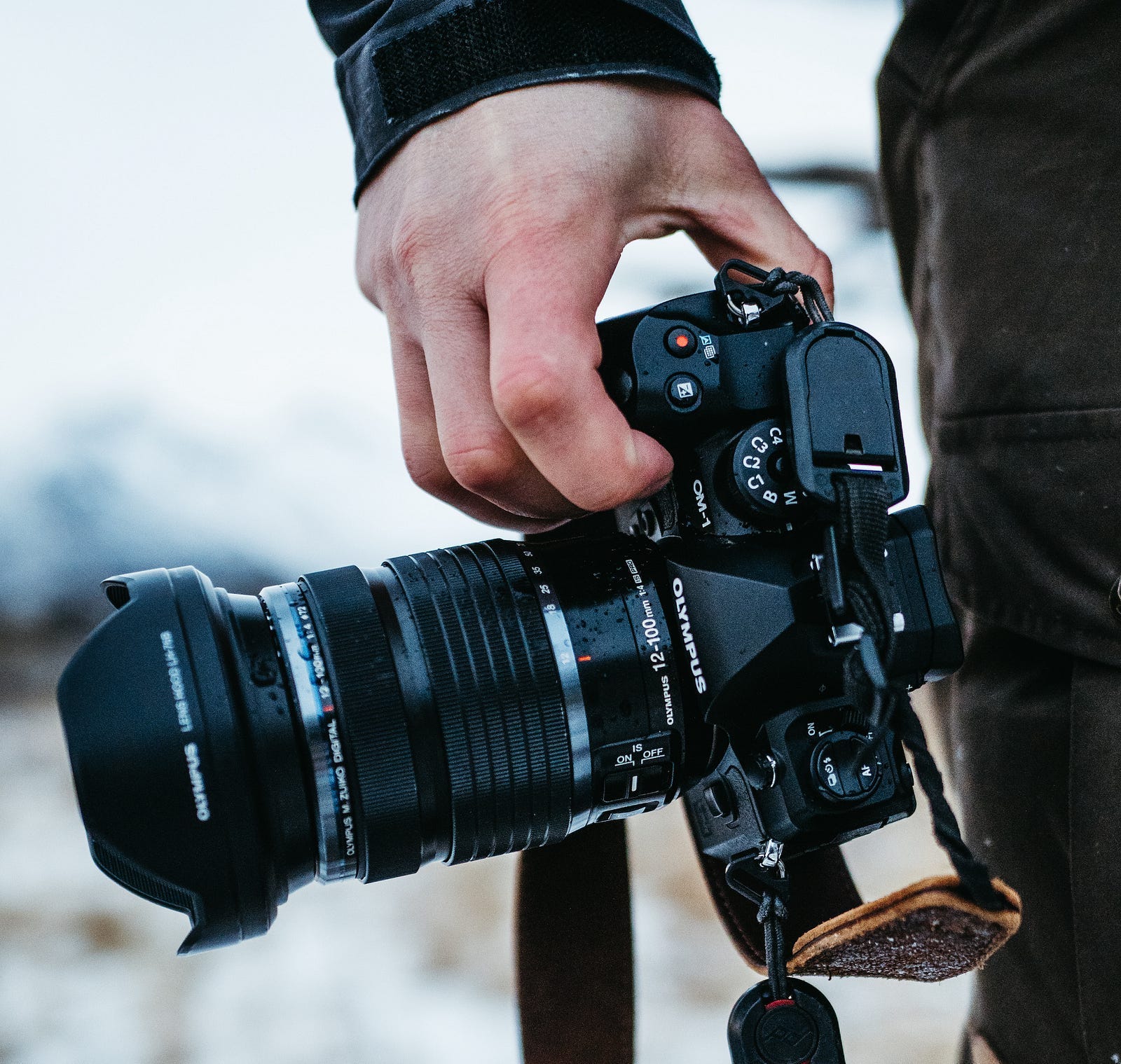
I just read the Outdoor Photographer's editors' choices for 2022 cameras, and the article includes two APS-C models and a Micro Four Thirds as well (Fujifilm X-H2S, Canon EOS R7, OM System OM-1). Yes, larger sensors still have an edge in low-light shooting and dynamic range. But that gap has narrowed. Increased processing power in the imaging pipeline, computational photography, and improved hardware have moved us to the point where you can use any format you want for serious work.
3) The more megapixels, the better the camera. Nope.
Megapixels are a measurement of graphic resolution. They do not determine the overall quality of a camera. In fact, going back to the Outdoor Photographer editors' list, they chose the lower resolution Fujifilm X-H2S at 26 megapixels over the higher resolution X-H2 at 40 megapixels.
Why? Because the X-H2S is faster allowing it to capture moving subjects with exceptional speed. And 26 megapixels is still plenty of resolution. If you need more, there are plenty of AI-driven resampling programs that intelligently add pixels to those pictures. (Oh yeah, that's fairly new as well.)
I guess these aren't really photography myths. They're just beliefs that aren't true anymore.
Photography can be as simple as pulling out your iPhone and capturing a snapshot, or as complicated as mastering a Sony A7 IV mirrorless camera. Regardless of which you use, we are all benefitting from dramatic hardware and software innovations.
I say, enjoy the ride. It's OK that it's easier than it used to be.
Photo courtesy of OM System.
Who Ever Thought that Keywording Would Make the Headlines?
Finally, an approach to keywording that suits my workflow. Thanks to ON1 Photo Keyword AI, I can reap the benefits of finding my photos without the laborious task of data entry. If you want to live this dream as well, I have a couple of resources for you.
The End of Keywording as We Know It - ON1 Keyword AI - TDS Photo Podcast
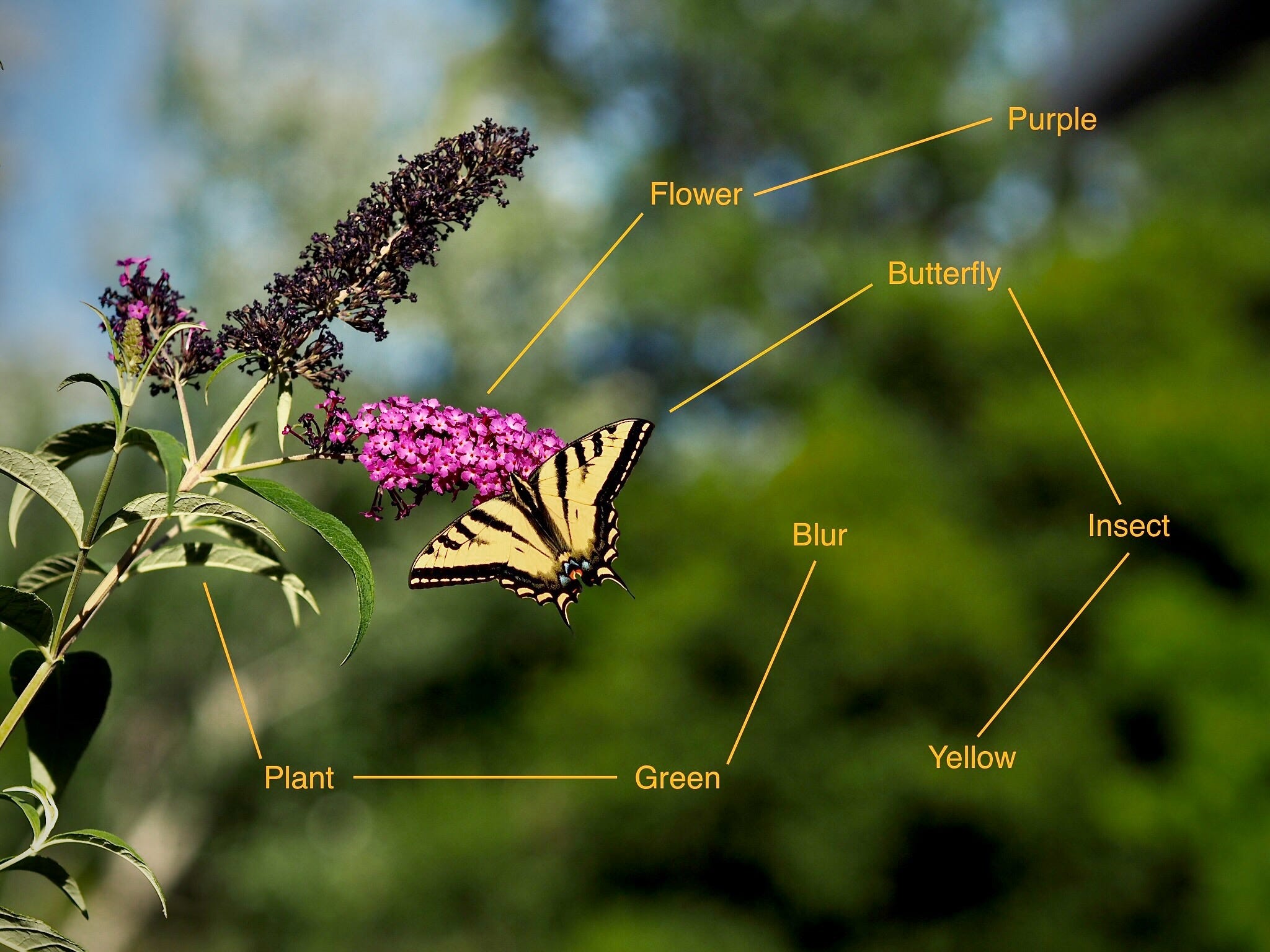
Very few photographers I know enjoy spending the time to add keywords to their photos. Quite honestly, it is the least enjoyable task in our craft. But all of that is changing today. ON1 Software just released Photo Keyword AI. Does this transform how we find images? Indeed it does. And I will explain why on today's TDS Photography Podcast. I hope you enjoy the show.
The Keywording Ghosts That No Longer Haunt Me -
My Quest to Trust Object Recognition for Finding My Photos
In this article, I go back to my early days of photo organization and my resistance to endlessly typing keywords to go with my photos. I discuss Apple’s incorporation of object recognition in its Photos app, and introduce the next step for Lightroom and Capture One users with ON1 Photo Keyword AI.
I agree on the persistent myths, especially the full frame bias. Both OM and Fuji should post lots of pictures of photographers standing next to big prints made with their cameras on their websites!